
Política
El rodrigato deja la respuesta al Manifiesto en silencio operativo
Cuarenta y ocho horas después de la firma del Manifiesto de Panamá, la presidenta encargada Delcy Rodríguez no había emitido respuesta oficial. Diosdado Cabello sostuvo la única vocería visible del chavismo con tono irónico, sin referencia explícita al manifiesto. El Ministerio de Comunicación e Inf


Cuarenta y ocho horas después de la firma del Manifiesto de Panamá, la presidenta encargada Delcy Rodríguez no había emitido respuesta oficial. Diosdado Cabello sostuvo la única vocería visible del chavismo con tono irónico, sin referencia explícita al manifiesto. El Ministerio de Comunicación e Información mantuvo silencio. Ningún funcionario del gabinete habló del documento. La advertencia previa de Rodríguez sobre Machado, hecha en febrero, sigue siendo la única referencia oficial sobre la conductora del proceso democrático. Lectura editorial del silencio operativo del rodrigato.
El silencio como dato
El silencio del rodrigato ante el Manifiesto de Panamá no es ausencia accidental de respuesta. Es decisión política sostenida. Cuarenta y ocho horas después de la firma del documento, la presidenta encargada Delcy Rodríguez no había emitido pronunciamiento alguno. Ni en transmisión oficial. Ni en comunicado del Ministerio de Comunicación e Información. Ni en cuenta personal. El gabinete del Ejecutivo encargado tampoco habló.
Tres lecturas operativas explican el silencio.
Primera. Hablar del Manifiesto eleva su estatus público venezolano. AtlasIntel para Bloomberg ya situó la imagen de Rodríguez en 59% de desaprobación. Discutir un documento opositor en el espacio oficial le confiere protagonismo. El régimen prefiere que la conversación pública circule en redes internacionales sin contraparte chavista, lo que también permite negarlo de palabra después.
Segunda. El Manifiesto designa a Rodríguez como contraparte de la negociación. Cualquier respuesta verbal —incluso para rechazar— confirma esa condición de contraparte. El silencio mantiene la ficción de que el régimen no necesita pronunciarse sobre ese documento porque no se considera obligado por él.
Tercera. El rodrigato sabe que va a tener que decir algo. La estrategia consiste en decir lo que diga cuando lo decida y en los términos que defina. Hablar el viernes 29 de mayo, en caliente, habría obligado a reaccionar al texto opositor. Hablar la próxima semana, frío, permite escoger argumento, vocería y momento.
La advertencia de febrero sigue siendo la respuesta
La única referencia institucional del rodrigato sobre María Corina Machado es la advertencia que la propia Rodríguez hizo en febrero de 2026. Entonces calificó a Machado de «prófuga de la justicia» y advirtió que, si regresa al país, «tendrá que responder ante Venezuela».
Esa declaración sigue activa. No ha sido modificada. No ha sido reformulada. Y mientras el rodrigato no diga lo contrario, esa es la posición oficial.
La consecuencia es práctica. Si Machado intentara entrar a Venezuela durante el segundo semestre de 2026 para liderar la negociación desde el territorio nacional —como sugieren las lecturas de Oscar Medina en El Estímulo y Fran Tovar en Turimiquire—, lo haría con la advertencia de febrero pendiente sobre su cabeza. El régimen no necesita amenazarla de nuevo. Le basta con dejar la amenaza en el aire.
Diosdado Cabello y la respuesta lateral
La única voz audible del chavismo durante las 48 horas posteriores al Manifiesto fue Diosdado Cabello. Pero su intervención fue lateral, no frontal. En la emisión de Con el Mazo Dando del miércoles 27 de mayo —dos días antes de la firma del Manifiesto— Cabello ya había acuñado el término «diosdadología» para descalificar a los analistas opositores que pretenden decodificar sus gestos. En las emisiones posteriores del jueves y el viernes, mantuvo ese tono: ironía generalizada sobre la oposición, sin referencia directa al documento de Panamá.
Es decisión comunicacional consistente. Cabello no entra al fondo del manifiesto porque entrar al fondo lo legitimaría como interlocutor. Prefiere descalificar el método de análisis sin tocar el contenido.
Eso deja al régimen con vocería única (Cabello) y formato único (ironía sin referencia). No hay declaración institucional. No hay tesis articulada. No hay propuesta alternativa.
Lo que el silencio anula y lo que no
El silencio del rodrigato no anula el Manifiesto. Lo deja sin contraparte explícita, que es distinto.
Lo que el silencio no logra. Internacionalmente, el silencio se interpreta como dificultad para construir respuesta. La cobertura de BBC Mundo, Infobae, La Prensa de Panamá y otros medios internacionales registró el silencio como elemento de la noticia. En la diáspora venezolana en Estados Unidos, España y Colombia, el silencio circula como confirmación de debilidad. En el bloque opositor, el silencio se usa como argumento: «si tuvieran respuesta, ya habrían hablado».
Lo que el silencio sí logra. El régimen no se compromete con ningún calendario. No reconoce a la oposición como interlocutora válida. No abre espacio para que actores del propio chavismo se posicionen antes de que el rodrigato decida cómo. Y conserva margen para escoger el momento, el contenido y la vocería de la respuesta.
El factor chavismo civil
Hay un actor que el silencio del rodrigato también afecta: el chavismo civil dialogante. Figuras como Elías Jaua, Mary Pili Hernández, Mario Silva e Iris Varela han mostrado en distintos momentos disposición a la transición. La presencia de Rodrigo Cabezas en Panamá ya es señal de que ese sector existe institucionalmente.
Si el rodrigato hubiera hablado fuerte contra el Manifiesto el mismo día de la firma, ese chavismo civil habría tenido que alinearse o desmarcarse en respuesta. El silencio les da espacio para no posicionarse todavía. Pueden esperar la línea oficial cuando llegue. Pero ese espacio también puede ser oxígeno para que se posicionen ellos antes que el rodrigato.
Lo que viene
Tres ventanas se abren en las próximas semanas.
Primera. Cuándo y cómo respondrá el rodrigato. Los plazos del régimen tienen patrón: las respuestas ante hechos políticos mayores suelen llegar en los 7 a 10 días posteriores. La próxima semana es la ventana esperada.
Segunda. Cómo se procesará la advertencia de febrero. Si Machado anuncia presencia en Venezuela durante junio o julio, el régimen tendrá que decidir si ejecuta la amenaza, la silencia o la matiza. Cada opción tiene costo.
Tercera. El chavismo civil. La pregunta operativa es si Jaua, Varela, Silva o Mary Pili Hernández rompen el silencio antes que la propia Delcy Rodríguez. Si lo hacen, la línea oficial del rodrigato pasa a tener que reaccionar a su propio bloque, no solo al Manifiesto.
INCÍSOS va a seguir registrando el silencio mientras dure y la respuesta cuando llegue. La diáspora hispana en Estados Unidos —y especialmente la diáspora venezolana— tiene derecho a leer estas pausas no como ausencia, sino como decisión. El rodrigato no está sin estrategia comunicacional. Está aplicando una.
Fuentes principales
- Comando ConVzla en X, hilos de difusión del Manifiesto, 28 de mayo de 2026.
- BBC News Mundo, «Qué plantea el Manifiesto de Panamá, la hoja de ruta de la oposición», cobertura del 29 de mayo de 2026, con cita a la declaración de Rodríguez de febrero.
- Infobae, «La oposición liderada por María Corina Machado propuso negociar una transición», 29 de mayo de 2026.
- El Estímulo, columna de Oscar Medina «Chica, ¿y qué irá a decir el catire del Manifiesto de Panamá?», 29 de mayo de 2026.
- Turimiquire, columna de Fran Tovar «Lo que quedó después del Manifiesto de Panamá», 29 de mayo de 2026.
- Diario Las Américas, cobertura de declaraciones oficiales venezolanas durante el 28 y 29 de mayo de 2026.
- Programa Con el Mazo Dando conducido por Diosdado Cabello, emisiones del 27 al 29 de mayo de 2026, Venezolana de Televisión.
- INCÍSOS, «El rodrigato calla ante la encuesta que lo desploma», pieza del 29 de mayo de 2026.
- INCÍSOS, «Cabello inventó la diosdadología para burlarse de sus pronosticadores», pieza del 29 de mayo de 2026.
- INCÍSOS, «El Manifiesto de Panamá pone a Machado al frente de la negociación», pieza del 29 de mayo de 2026.
Este análisis se publica bajo los criterios editoriales de INCÍSOS. Cómo trabajamos →
Alfredo Yánez
9 libros que te cambian la perspectiva
Finanzas, emprendimiento, migración y más — disponibles en Amazon
VER LIBROS →


Política
Immigrants have been incarcerated less than the native-born since 1870
The longest available series covers a century and a half and records no period in which immigrants were incarcerated more than the American-born.

INCÍSOS SPECIAL · HEIRS
Leer en español
The association between immigration and crime is probably the most repeated and least supported claim in American public debate. A century and a half of data exists to test it.
| What | Immigrants have recorded lower incarceration rates than the American-born since at least 1870. |
| Who | Researchers at the National Bureau of Economic Research; researchers published in PNAS. |
| When | A 150-year series, from 1870 to 2020. The Texas study covers 2020. |
| Where | The United States, with specific analysis of Texas state records. |
| Why | It is the empirical basis contradicting the most-used argument against immigrant presence. |
| How | Historical censuses and administrative arrest and conviction records. |
The long series
A study published by the National Bureau of Economic Research reconstructed incarceration rates for immigrants and the American-born across 150 years, from 1870 — the first year with available records — to the present.
The result admits no nuance of trend: in no period of that series did immigrants record incarceration rates higher than those of people born in the United States.
In 2020, immigrants were 60 percent less likely to be incarcerated than people born in the country, according to that same work. Compared specifically with white Americans born here, the difference was 30 percent lower.
The gap, moreover, has widened over time.
The Texas records
A study published in 2020 in the Proceedings of the National Academy of Sciences analyzed administrative arrest and conviction records from Texas, one of the few states that records the immigration status of those detained.
The results per thousand residents: immigrants, including those without legal status, were roughly half as likely to be arrested for violent crimes as the native-born. Around 40 percent as likely for drug offenses. Around 25 percent for robbery and property crimes.
Texas matters as a case because it is a border state, with one of the country’s largest immigrant populations, under an administration that has not been permissive on immigration enforcement. The data are its own.
A caution about sources
The most-cited data series in this area comes from the Cato Institute, which publishes annual estimates of incarceration rates by immigration status. Its 2024 figures put the rate at 1,195 per 100,000 among the American-born, 674 among immigrants in irregular status and 303 among immigrants with legal status.
The Cato Institute is a research center with a declared position favoring immigration openness. Its figures point in the same direction as the academic ones and serve as corroboration, but the argumentative weight of this piece rests on the 150-year study and the PNAS work, both peer-reviewed.
What these data do not settle
Aggregate rates say nothing about individual cases. Every crime committed by an immigrant exists, has victims and merits the same institutional response as any other.
Nor do they explain why the gap exists. The available hypotheses — self-selection among those who emigrate, risk aversion tied to losing status, age structure, family composition — are plausible and unresolved.
What they do establish, with the longest available series and with independent administrative records, is that the opposite premise has no empirical support in any stretch of a century and a half.
Why it is in this special
A community assigned a criminal propensity the data do not support carries a cost that is not symbolic. That cost translates into public policy, into enforcement budgets, into daily treatment, and into the rest of the country’s willingness to consider it part of itself.
Hispanic heritage includes that too: having carried, for a century and a half, an accusation the country’s own records refute.
Primary sources: National Bureau of Economic Research, study of immigrant incarceration rates across 150 years (Abramitzky, Boustan, Pérez and others), also distributed by the Migration Policy Institute. Proceedings of the National Academy of Sciences, 2020 study of Texas arrest records. Cato Institute, annual series on incarceration rates by immigration status, identified as a center with a declared position.
Política
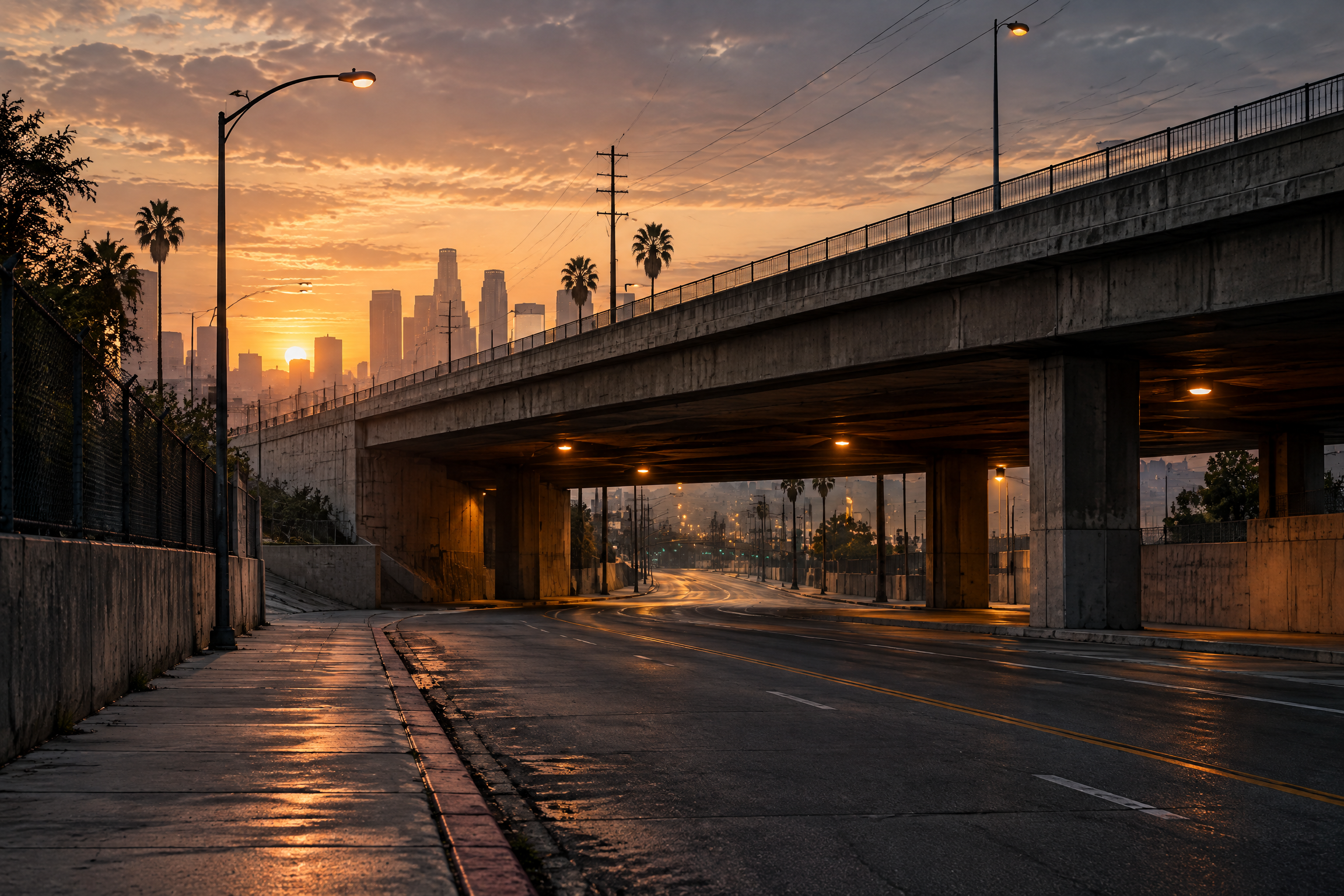
MS-13 was born in Los Angeles and came back deported
Between 1996 and 2002, the United States sent roughly 31,000 convicts to Central America. The criminal structure now attributed to the region was built in the north.
INCÍSOS SPECIAL · HEIRS
Leer en español
A special on Hispanic heritage would be incomplete without the part nobody wants to claim. The documentary record places it somewhere other than where it is usually assigned.
| What | MS-13 formed in Los Angeles in the 1980s and went transnational by way of American deportation policy. |
| Who | Refugees fleeing the Salvadoran civil conflict; the United States government; the countries of northern Central America. |
| When | Formation in the 1980s. Mass deportations between 1996 and 2002. |
| Where | California first; El Salvador, Honduras and Guatemala after. |
| Why | The conventional account reverses the direction of the phenomenon, and with it the explanation. |
| How | Mid-1990s legislation expanded the universe of noncitizens subject to removal, including convicts with gang ties. |
Where it formed
The Congressional Research Service, in its report on the organization, establishes that MS-13 formed on the streets of Los Angeles during the 1980s, made up of people fleeing the Salvadoran civil conflict.
The same document notes it was constituted in part as protection against Latino gangs already operating in the city, among them Barrio 18. The «13» refers to the thirteenth letter of the alphabet, reflecting its tie to the Mexican Mafia within the California prison system.
None of that origin occurred in Central America.
How it crossed south
Legislation passed in the mid-1990s substantially expanded the universe of noncitizens subject to detention and removal, including those with criminal convictions.
Between 1996 and 2002, the United States sent roughly 31,000 convicted people to Central American countries, of whom some 12,000 went to El Salvador, according to documentation from the Washington Office on Latin America.
The Congressional Research Service records that the organization became transnational when members deported from the United States established its structure in Central America.
The receiving countries had institutions weakened by decades of civil war, with no absorption capacity, no reintegration programs and in many cases no prior information about the records of those arriving.
The structure did not migrate. It was exported.
Why the direction matters
The correction is not an academic footnote. It determines which explanation is accepted and which policy follows from it.
If the organization is a Central American phenomenon that entered the United States, the logical response is to close the entrance.
If it is an American phenomenon that was exported and returned, the response has to include what happened here: how it formed, under what conditions of urban marginalization, inside what prison system, and what effect deporting tens of thousands of people to countries unable to receive them produced.
The record supports the second reading, and it does so not from an immigrant advocacy organization but from Congress’s own research service.
What this piece does not argue
MS-13 has committed serious, documented crimes on both sides of the border. Its victims have overwhelmingly been people from the same communities of origin. Nothing above mitigates that or attempts to.
Nor does it suggest the United States is solely responsible for a phenomenon shaped by civil wars, institutional collapse, poverty and decisions by several governments.
What the record does establish is the direction of the origin. And that direction is rarely told.
The uncomfortable inheritance
Every large community produces criminality, and the Hispanic community is no exception. A special that listed only celebrable contributions would be promotion, not journalism.
But the uncomfortable part is not the one usually told either. The conventional version presents an imported product. The documentary record describes something else: a structure that formed in an American city, was professionalized in an American prison system, and was installed to the south by an American policy decision.
That too is part of what has to be inherited.
Primary sources: Congressional Research Service, report R45292 on MS-13. Washington Office on Latin America, documentation on deportations of convicts to Central America between 1996 and 2002. InSight Crime, organizational profile.
Política
The proclamation celebrates the Hispanic who is a citizen and in uniform
The official text celebrating Hispanic heritage defines whom it celebrates: citizens, service members, police and border agents. The boundary is written down.

INCÍSOS SPECIAL · HEIRS
Leer en español
A commemorative month does not describe a community. It defines one. The text proclaiming it contains that definition, and it rewards careful reading.
| What | The 2025 proclamation recognized Hispanic-American citizens and singled out those serving in military, law enforcement and border security roles. |
| Who | The White House, author of the text; the 70.1 million Hispanics the Census counts. |
| When | Signed September 22, 2025, seven days after the period began. |
| Where | The United States. |
| Why | The proclamation marks out who official recognition reaches and who it does not. |
| How | Public Law 100-402 requires an annual presidential proclamation for the month to be observed. |
The month exists because it gets signed
The 1988 law authorizes and requests the president to issue an annual proclamation designating September 15 through October 15. Without that signature, there is no proclaimed observance. Every president since 1990 has issued one.
The 2025 proclamation was signed September 22. The period had begun on the 15th.
Seven days is not on its own a declaration of anything. Proclamations are signed with variable margins. But the fact is on the record and worth noting before reading the text.
What the text says
The 2025 proclamation recognizes the contributions of Hispanic-American citizens. It singles out Hispanic patriots who have served on the front lines of the military, in law enforcement and in border security. It speaks of defending national sovereignty and protecting the flag.
Each of those elements is legitimate. There are Hispanic citizens. There are Hispanics in the armed forces and in federal security agencies. Their service exists and merits recognition.
What matters here is not what the text affirms, but its perimeter.
The perimeter
The 70.1 million people the Census Bureau counts as Hispanic include citizens by birth, naturalized citizens, permanent residents, people with temporary status, asylum seekers and people without regular status.
The proclamation names citizens. And among them, it underscores those in uniform.
That is not a description of the Hispanic community in the United States. It is a subset of it, defined by two criteria: legal status and function in service to the state.
A commemorative text obligates no one and appropriates nothing. But it establishes the official terms of a recognition, and those terms leave out a substantial portion of the people whose contribution the same proclamation celebrates in the abstract.
The context of the signing
During the same period, other figures describe the state’s relationship with that population.
An analysis of immigration enforcement data reported by specialized press records 49,571 ICE arrests in July 2026, the highest monthly total of the second term, up roughly 15 percent from June, with more than half of those detained having no convictions or pending charges. The figure comes from a processing of federal data and should be verified against the original source before being treated as settled.
The Congressional Budget Office projects net migration of roughly 570,000 people for 2026, well below earlier projections nearing two million.
And a Pew Research Center survey from November 2025 found that 47 percent of Latinos surveyed felt less safe in their area because of deportation actions.
What remains
An annual proclamation celebrates Hispanic heritage. A simultaneous policy reduces Hispanic presence, polices it and displaces it.
Both occur under the same signature and on the same calendar.
No intent needs to be assigned to observe the contradiction. It is enough to place the two documents side by side and read the dates.
Primary sources: Proclamation on National Hispanic Heritage Month 2025, signed September 22, 2025. Public Law 100-402. U.S. Census Bureau, Facts for Features CB26-FF.07. Congressional Budget Office, net migration projections. Pew Research Center, November 2025 survey. Immigration arrest data processed by the Deportation Data Project, as reported by specialized press.
-

 Entrevistas3 meses ago
Zair Mundaray: «Enfrenté al poder con ciencia»
-

 Política2 meses ago
Delcy Rodríguez enfrenta a la prensa internacional: la rueda de prensa que no cerró la brecha
-

 Política4 meses ago
El economista, los bonos y Citgo
-

 Política4 meses ago
Roberto Smith Perera: «La reconstrucción no puede esperar a la elección»
-

 Política2 meses ago
El semáforo de las estructuras: qué significa cada color tras el terremoto
-

 Especiales3 meses ago
Media vuelta… mar.
-

 Inciso4 meses ago
La paciencia de Washington
-

 Inciso4 semanas ago
Márquez sabe qué pasó el 28 de julio